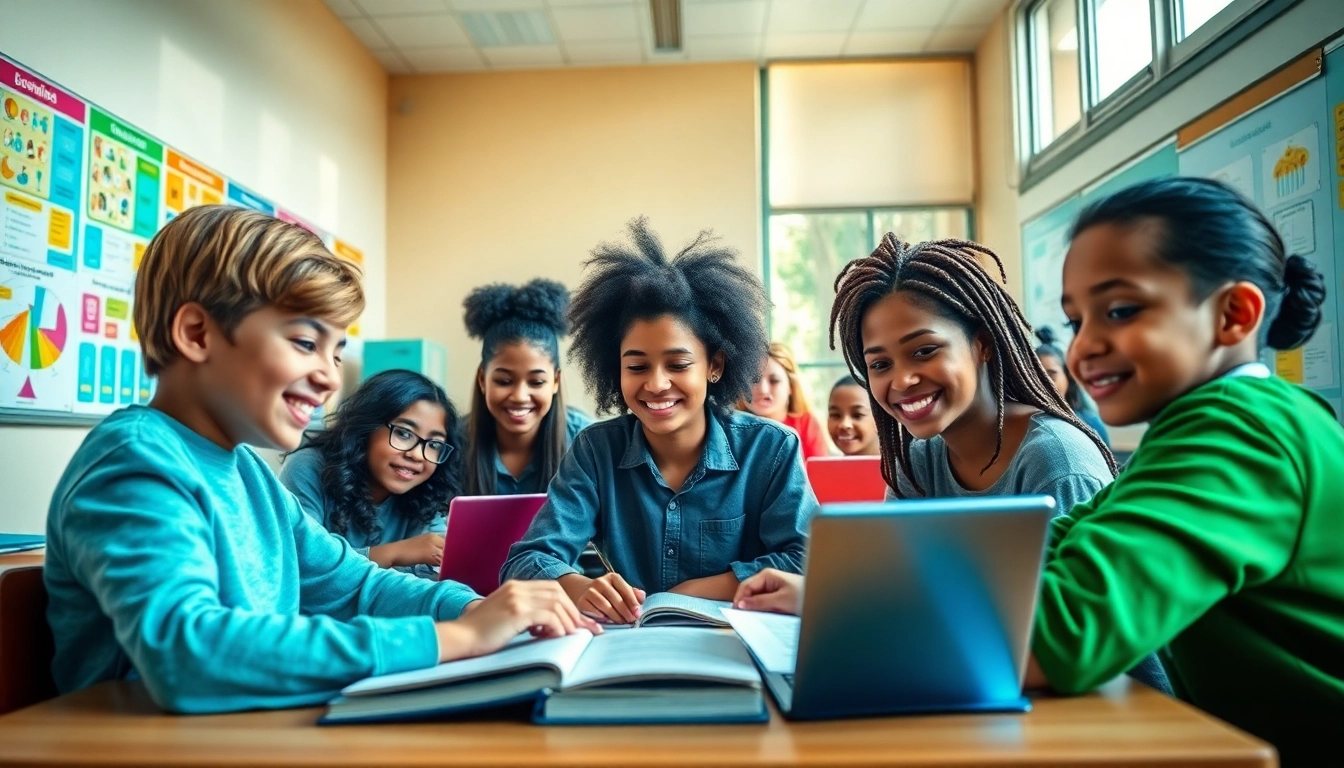
Understanding the Foundations of Education in 2026
The landscape of education continues to evolve, influenced by sociocultural shifts, technological advancements, and an increasing emphasis on equity. As society moves closer to realizing a fully inclusive educational framework, it becomes crucial to delve into the foundational principles that guide this journey. In the year 2026, education is no longer merely a process of information delivery; it has transformed into a dynamic arena for personal and collective growth. Educators and policymakers alike are tasked with the challenge of creating environments that foster equality and innovation. For those seeking comprehensive insights into modern approaches to education, education remains a key resource.
The Evolution of Education: Past, Present, and Future
Historically, education served as a tool for socialization, instilling values, and preparing individuals for their roles in society. Over time, it transitioned from rigid, rote learning methods to more interactive and learner-centered approaches. The present iteration of education emphasizes critical thinking, creativity, and emotional intelligence as essential components of a well-rounded education. As we look toward the future, the focus is likely to shift further towards flexible learning environments that incorporate personalized and adaptive learning paths, allowing each student to flourish according to their unique potential.
Key Concepts in Education Equity and Reform
Education equity is a foundational concept that underpins discussions about reform and innovation in the field. At its core, education equity focuses on ensuring that all students have access to quality education regardless of their socioeconomic status, ethnicity, or geographic location. This involves addressing systemic barriers and implementing policies that promote inclusivity, such as funding for under-resourced schools, access to advanced coursework, and comprehensive support services. Reform efforts must prioritize these equity-driven principles to create a fair educational playing field.
The Role of Technology in Modern Education
Technology has emerged as a transformative force in education, shaping not only how knowledge is disseminated but also how students engage with it. From online learning platforms to interactive educational tools, technology has the potential to bridge gaps in access and enrich learning experiences. For example, augmented reality (AR) and virtual reality (VR) are being harnessed to create immersive learning environments that enhance understanding through real-world simulations. As we advance, integrating technology effectively will be essential to preparing students for a digital era.
Exploring Innovative Approaches to Education
To address the evolving landscape of education effectively, innovative methods are necessary. These approaches not only engage students but also accommodate diverse learning styles, enhancing overall educational outcomes. By exploring innovative strategies, educators can better meet the needs of their students and prepare them for the challenges ahead.
Project-Based Learning: Engaging Students Through Real-World Challenges
Project-based learning (PBL) is a pedagogical strategy that encourages students to explore complex, real-world problems and develop solutions collaboratively. This hands-on approach promotes critical thinking and allows students to apply their knowledge in meaningful ways. For instance, a PBL project might involve students working together to develop a sustainable garden that incorporates principles of biology, chemistry, and environmental science. Such initiatives not only foster academic skills but also build teamwork and problem-solving abilities.
Diverse Learning Environments: Catering to Individual Needs
Recognizing that learners have varied backgrounds, experiences, and abilities is crucial in today’s educational environment. Diverse learning environments that cater to individual needs foster inclusivity and allow all students to thrive. This can include differentiated instruction, culturally responsive teaching, and the incorporation of social-emotional learning (SEL) frameworks. Schools that embrace diversity in their pedagogical approaches create a supportive atmosphere where every student feels valued and understood.
Implementing STEAM Education for Comprehensive Engagement
STEAM education—incorporating science, technology, engineering, arts, and mathematics—provides a holistic approach to learning. It encourages creativity and innovation by connecting disciplines in meaningful ways. For instance, students might engage in projects that integrate art and engineering, such as designing a bridge that is both structurally sound and aesthetically pleasing. By fostering connections between subjects, STEAM education enhances engagement and prepares students for interdisciplinary challenges in the real world.
Barriers to Effective Education: Challenges and Solutions
Despite significant progress in educational reform, numerous barriers continue to impede access to quality education for all students. Identifying these challenges and developing effective solutions is essential to ensure that every learner has the opportunity to succeed.
Addressing Socioeconomic Disparities in Education Access
Socioeconomic disparities remain one of the most significant challenges facing education today. Students from lower-income families often face obstacles such as inadequate resources, lack of access to technology, and limited opportunities for extracurricular enrichment. Addressing these disparities requires systemic changes, including equitable funding for schools, access to required learning materials, and comprehensive support services like tutoring and counseling aimed at supporting disadvantaged students.
Overcoming Resistance to Educational Reform
Resistance to educational reform often stems from entrenched beliefs, fear of change, or a lack of understanding of new initiatives. For reform efforts to be successful, it is crucial to engage with stakeholders—including teachers, parents, and community members—to build consensus around new policies. Clear communication about the goals and benefits of reforms can foster buy-in and support. Additionally, providing professional development for educators can empower them to embrace and implement new methodologies effectively.
Measuring the Impact of Educational Initiatives
Effective educational reform must be data-driven to evaluate its success accurately. Establishing clear metrics for assessing the impact of initiatives allows for continuous improvement and adjustment. This could involve tracking student performance, measuring engagement levels, and gathering qualitative feedback from educators and students. Utilizing data effectively can inform decision-making and help identify best practices that can be replicated in other educational settings.
Best Practices for Educators and Administrators
With the landscape of education continuously shifting, it is imperative that educators and administrators adopt best practices to meet the demands of modern learners effectively. Below are several strategies that can enhance the educational experience for all students.
Strategies for Inclusive Education: Embracing Diversity
Creating inclusive educational environments is crucial to ensuring that all students feel valued and supported. This can be achieved through differentiated instruction, which tailors teaching methods to accommodate individual learning styles and needs. Moreover, fostering an inclusive culture involves actively promoting diversity and equity within the classroom, encouraging respectful dialogue, and celebrating the unique contributions of each student.
Developing Collaborative Learning Communities
Collaboration among educators, students, and families is essential to fostering a supportive educational community. Building strong partnerships can facilitate information sharing and resource access, ultimately benefiting students. Collaborative learning communities encourage professional growth among educators and allow for the sharing of innovative practices. This can lead to more cohesive educational experiences for students, reinforcing the support they receive both inside and outside the classroom.
Utilizing Data-Driven Decision Making in Education
Data-driven decision-making enables educators and administrators to make informed choices that enhance teaching and learning. By analyzing student data, educators can identify trends, understand areas needing improvement, and tailor interventions to meet specific needs. Such an approach promotes accountability and empowers educators to create effective strategies that lead to improved educational outcomes.
The Future of Education: Trends to Watch in 2026
As we advance towards 2026, several trends are expected to shape the future of education. Understanding these trends can help educators, administrators, and policymakers prepare for the forthcoming changes and opportunities.
The Growing Importance of Lifelong Learning
The rapid pace of change in the job market necessitates a shift towards lifelong learning. As automation and technology reshape industries, individuals will need to continuously update their skills to remain competitive. Educational institutions must foster a culture of lifelong learning by providing opportunities for adult education, professional development, and skills training that cater to diverse learners throughout their lives.
Emerging Technologies Shaping Education
Emerging technologies are poised to revolutionize education in myriad ways. Innovations such as AI-driven personalized learning experiences, blockchain for credentialing, and virtual classrooms will redefine traditional educational paradigms. As these technologies develop, it is crucial for educators to remain adaptable and open to integrating new tools that enhance student engagement and learning outcomes.
Policy Changes and Their Impact on Educational Equity
Continuous advocacy for policy changes that support educational equity will be vital in the coming years. Efforts to ensure equitable access to resources, funding, and opportunities will require collaboration between educators, policymakers, and community organizations. By prioritizing equity in educational policy, we can foster a system that works towards justice and equal opportunities for every learner.
