
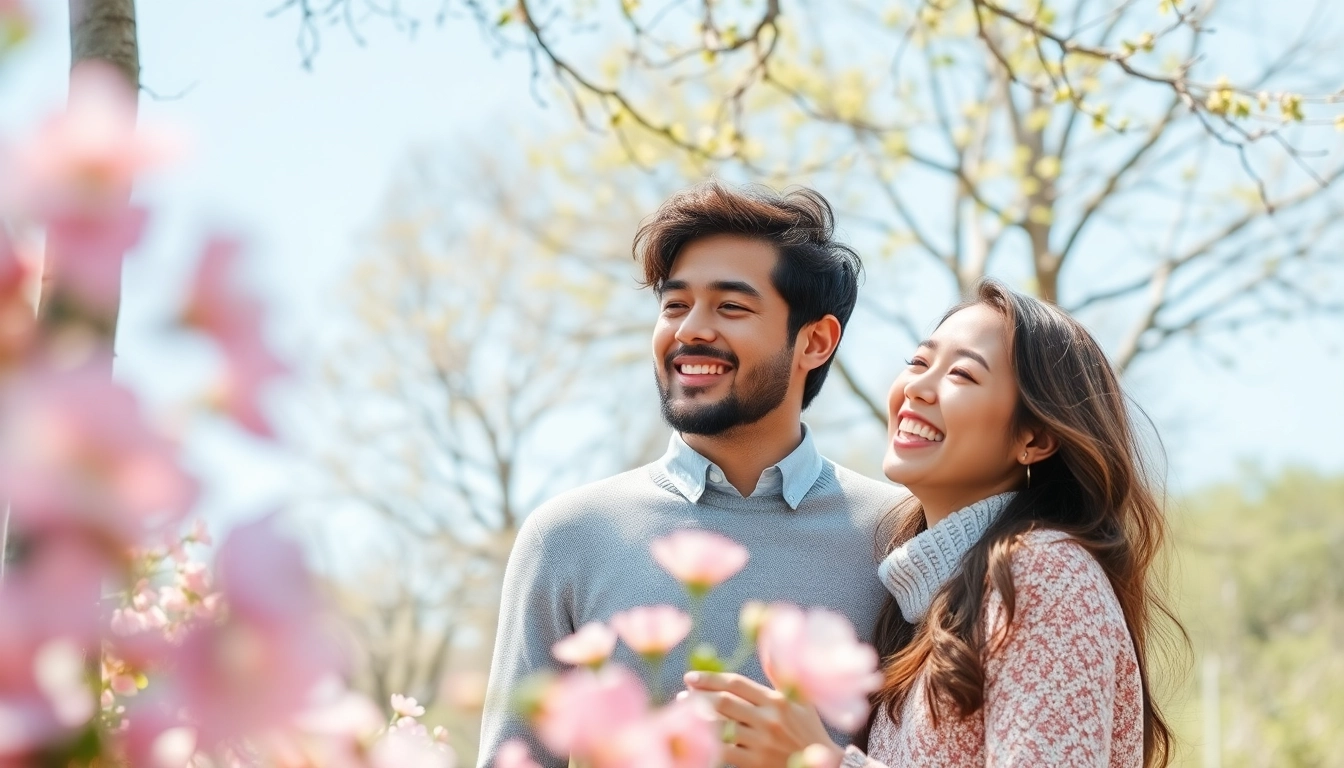
Understanding Light & airy photography
Light & airy photography is more than just a technique; it’s a style that encapsulates a dreamy aesthetic, often evoking feelings of warmth, positivity, and serenity. This approach has gained traction among photographers and clients alike for its ability to bring out the best in subjects and settings. By utilizing soft lighting, pastel tones, and a focus on space and composition, this style creates stunning imagery that resonates with various audiences. Whether you are a budding photographer or looking to enhance your personal photos, understanding the nuances of Light & airy photography can elevate your work.
Defining the Aesthetic Appeal
The hallmark of light & airy photography is its ethereal quality. Photos are often characterized by a bright and delicate look, suggesting an almost magical atmosphere. Colors tend to be soft and muted, helping to soften harsh contrasts that could detract from the subject. This aesthetic appeal makes it especially popular for portraits, weddings, and lifestyle shoots. In essence, this style captures a feeling as much as it captures a moment, drawing viewers into the imagery.
Core Elements of Light & airy photography
Several core elements define light & airy photography:
- Soft Light: Utilizing natural light helps to achieve the soft glow that the style embodies.
- Color Palette: A palette consisting of whites, soft pastels, and creams enhances the overall lightness of the image.
- Negative Space: The use of negative space or minimalist backgrounds can accentuate the subject and draw attention to their features.
- Composition: Creative framing and angles can contribute to the airy feel, making the photograph feel open and inviting.
Benefits of This Photography Style
The benefits of adopting a light & airy style in photography are manifold. Firstly, it creates a soothing and appealing message, which is particularly effective for portraits and family photography. This style evokes emotions of peace and tranquility, thus encouraging viewers to connect on a deeper level. Secondly, lighter images are often more versatile, making them suitable for a variety of uses—from personal keepsakes to marketing materials. Lastly, the style lends itself to a broad demographic, appealing to both younger audiences and more mature individuals, thereby broadening its market scope.
Techniques for Achieving Light & airy photography
Choosing the Right Lighting Conditions
The success of light & airy photography heavily relies on the quality of light in which you are shooting. Natural light is usually the best choice. The golden hour, shortly after sunrise or before sunset, provides soft lighting that flatters subjects beautifully. Additionally, overcast days can also be ideal since the cloud cover diffuses sunlight, lending a gentle softness to images.
Camera Settings for Optimal Brightness
To capture the light & airy aesthetic, specific camera settings can make a significant difference. A low ISO setting, often around 100-200, will keep noise at bay while allowing for clear, crisp images. Aperture settings between f/2.8 and f/4.5 create a lovely shallow depth of field, isolating the subject from the background. Using a higher shutter speed can also combat motion blur when shooting in bright environments.
Locating Ideal Settings for Shooting
Choosing an appropriate setting is equally crucial to achieving that light, airy vibe. Look for open, expansive spaces that provide ample natural light. Areas like gardens, beaches, or fields of flowers can amplify the ethereal feel. Additionally, indoor settings with sheer curtains allow natural light to flow softly into a room, creating a dreamy effect for portraits or lifestyle shoots.
Styling Your Subject in Light & airy photography
Wardrobe Choices that Enhance Brightness
Clothing plays a pivotal role in the light & airy aesthetic. Light-colored fabrics—think whites, creams, and pastel hues—work best to complement this style. Flowy garments made from airy materials like chiffon or linen can create movement and add an ethereal touch to the overall look. For groups, coordinating outfits within this palette can unify the scene while maintaining a light feel.
Posing Tips for Natural Expressions
In light & airy photography, it is essential to evoke a sense of ease and spontaneity in your subjects. Encourage relaxed, natural poses by engaging them in conversation. Slight adjustments—like tilting the head or bending an arm—can create more dynamic shapes. Capturing candid moments often yields the most genuine expressions and emotions within the airy framework.
Incorporating Props for Added Softness
Props can enhance the light & airy aesthetic when chosen thoughtfully. Items such as floral arrangements, soft blankets, or light-hued accessories can add layers without being overwhelming. These elements should seamlessly blend into the photograph to create a cohesive narrative that complements the airy atmosphere.
Post-Processing Techniques for Light & airy photography
Using Filters to Enhance Brightness
Post-processing is a crucial element of achieving that final polished look in light & airy photography. Popular software often includes presets or filters designed specifically for enhancing brightness and soft tones. Adjustments can be made to contrast, brightness, and exposure to maintain that ethereal quality without sacrificing details in the highlights or shadows.
Color Adjustments for a Softer Feel
In addition to brightness adjustments, consider fine-tuning colors to ensure they align with the light & airy aesthetic. Reducing saturation slightly can yield a more pastel-like quality. Additionally, applying split toning can introduce subtle warmth into the highlights and cool tones in the shadows, enhancing the dreamy effect without compromising clarity.
Editing Tools for Light & airy photography
Several editing tools can help achieve the light & airy style effectively. Programs like Adobe Lightroom and Photoshop offer comprehensive editing capabilities. For quicker edits, mobile apps such as VSCO provide easy-to-use filters that can help photographers achieve this aesthetic with minimal effort. Familiarizing yourself with these tools is essential for streamlining your workflow.
Common Challenges and Solutions in Light & airy photography
Dealing with Harsh Light Issues
Even seasoned photographers might encounter harsh lighting scenarios. To combat this, consider using diffusers or reflectors to soften the light. Alternatively, seek shaded areas, like under a tree, or shoot during the golden hour to achieve softer results that appeal to the light & airy style.
Fixing Overexposure Problems
Overexposure can ruin the light & airy effect if not managed properly. Use the histogram to monitor exposure levels while shooting. Additionally, utilizing exposure compensation settings can prevent blown-out highlights. If overexposure occurs during editing, adjustments in the highlights and whites sections can help recover lost details.
Creative Alternatives for Low Light Situations
Low light situations may seem contrary to the light & airy concept, but with creative solutions, beautiful results can still be achieved. Consider incorporating warm artificial light sources or utilizing slow shutter speeds to capture movement. Post-processing can also enhance brightness in shadows, maintaining the airy feel while working under less-than-ideal conditions.
FAQs
What is light & airy photography?
Light & airy photography is a style characterized by bright, soft images that evoke a dreamy, ethereal quality, often achieved through natural light and soft color palettes.
What lighting is best for light & airy photography?
Natural light during the golden hour or softly diffused overcast light works best, as it creates that soft look integral to the style.
Can light & airy photography be achieved indoors?
Yes! Using sheer curtains and shooting near large windows can create beautiful indoor light & airy images, maintaining a bright and soft aesthetic.
Which camera settings are optimal for this style?
Using a low ISO (100-200), setting a wide aperture (f/2.8 – f/4.5), and a fast shutter speed will help achieve optimal brightness in light & airy photography.
How do I edit photos for a light & airy look?
Post-processing involves adjusting brightness, reducing saturation, and possibly using filters or presets designed to enhance that soft, bright aesthetic.
