
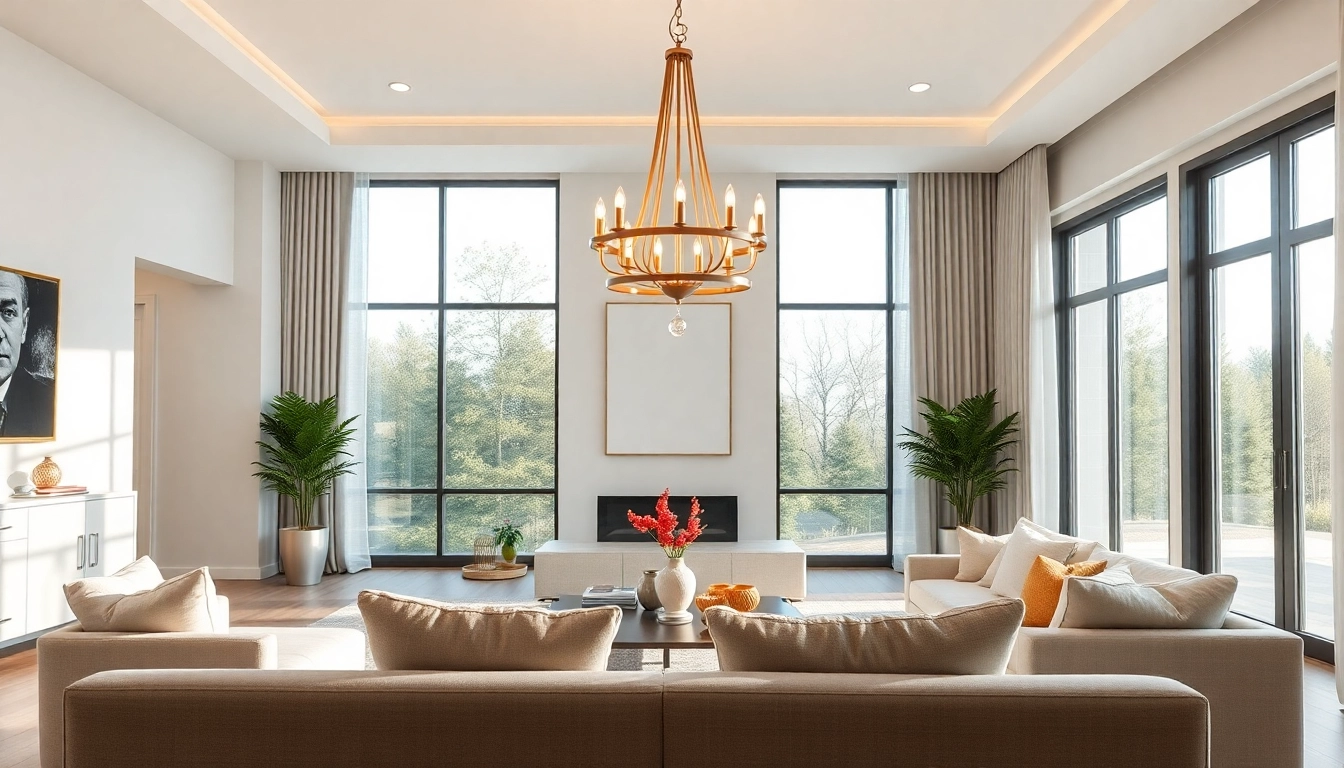
Understanding Modern Lighting Concepts
Modern lighting transcends mere functionality; it plays a pivotal role in defining the ambiance and character of a space. By integrating versatile designs and innovative technology, modern lighting enhances both aesthetics and usability. For those looking to transform their living environment, understanding modern lighting concepts is essential. If you’re interested in exploring a variety of options to elevate your space, you can Shop ModernLighting to find solutions that fit your personal style and requirements.
What is Modern Lighting?
Modern lighting refers to a style characterized by its simplistic yet functional design, often focusing on clean lines and minimalistic aesthetics. Originating from design movements in the early to mid-20th century, it has evolved to incorporate contemporary materials and energy-efficient technologies. Key features include the use of diverse light sources and integration with smart home systems, allowing for personalized control and energy conservation.
Different Types of Modern Lighting
Modern lighting can be broadly categorized into three primary types: ambient, task, and accent lighting. Each serves a unique purpose and can be strategically utilized to enhance the overall design of a space.
- Ambient Lighting: This is the general lighting of a room, providing uniform illumination. Common sources include ceiling lights, chandeliers, and recessed lighting.
- Task Lighting: Designed to illuminate specific areas where activities such as reading or cooking take place, task lighting includes desk lamps, under-cabinet lights, and pendant fixtures.
- Accent Lighting: This form of lighting adds drama and highlights particular areas or features within a space, such as artwork or architectural elements. Examples include wall sconces, track lighting, and landscape lights.
Importance of Style in Lighting
The style of lighting fixtures can significantly influence the mood and atmosphere of a space. Modern lighting encompasses a wide array of shapes, colors, and materials, allowing homeowners to express their personality and complement their interior decor. Choosing the right lighting not only enhances functionality but also serves as a design element that ties together the overall visual theme of your space.
Choosing the Right Lighting for Your Space
Selecting the perfect modern lighting involves careful consideration of several factors that align with both practicality and style. The right fixtures can uplift your home, making it more inviting and functional.
Assessing Room Size and Function
The first step in choosing lighting fixtures is to assess the size and purpose of the room. Larger areas may require multiple light sources to ensure adequate brightness, while smaller rooms may benefit from compact, multi-functional fixtures. Additionally, understanding the room’s function is crucial: a bedroom may need softer, warmer lighting for relaxation, while a kitchen may require brighter task lighting for cooking.
Color Temperature Considerations
Color temperature, measured in Kelvin (K), plays a vital role in setting the mood of a room. Warm white light (2700K-3000K) creates a cozy and inviting atmosphere, ideal for living areas and bedrooms. In contrast, cool white light (4000K-5000K) enhances focus and makes it suitable for kitchens and workspaces. It’s essential to select fixtures that provide the appropriate color temperature for the intended use of each space.
Combining Different Lighting Types
Effective modern lighting relies on a harmonious blend of ambient, task, and accent lighting. Layering these types can create depth and flexibility within a room. For instance, pairing chandelier fixtures with wall sconces and task lighting establishes various light levels, catering to both aesthetics and functionality. Consider using dimmers to customize the lighting intensity based on activities or desired ambience.
Best Practices for Installing Modern Lighting
While some may prefer professional assistance, many modern lighting installations can be completed with basic tools and knowledge. Adopting best practices during the installation process ensures that your fixtures are not only functional but also visually appealing.
Tools and Materials Needed
Before embarking on an installation project, gather the necessary tools and materials. Common items needed for most installations include:
- Wire cutters/strippers
- Phillips and flathead screwdrivers
- Voltage tester
- Wire nuts
- Electrical tape
- Ladder
- Fixture mounting hardware
Step-by-Step Installation Guide
Follow these general steps to install modern lighting fixtures securely:
- Turn Off Power: Always ensure the electricity is turned off at the circuit breaker before starting any electrical work.
- Remove Old Fixture: Carefully take down the existing light fixture, disconnecting the wires while noting their connections.
- Prepare the New Fixture: Assemble the new fixture according to the manufacturer’s instructions, ensuring all parts are secure.
- Connect Wires: Match the wires from the new fixture with the corresponding wires in the junction box, using wire nuts to secure connections.
- Mount the Fixture: Attach the fixture to the ceiling or wall as per the installation instructions, ensuring it is level and secure.
- Restore Power: Once everything is securely installed, turn the power back on and test the fixture.
Safety Considerations
Safety should always be a priority during lighting installation. Ensure to follow these safety tips:
- Double-check that the electrical supply is off before starting work.
- Use a voltage tester to confirm that no power is flowing through the wires.
- If in doubt about any step in the installation, consult a licensed electrician.
Maintaining Your Modern Lighting Fixtures
Proper maintenance extends the lifespan of your modern lighting fixtures and ensures they continue to operate effectively. Establishing a regular cleaning and maintenance routine can prevent issues and keep your lighting looking its best.
Cleaning Techniques for Different Materials
The cleaning method you choose will depend on the materials of your fixtures. For glass fixtures, use a mixture of water and vinegar for a streak-free shine. Metal surfaces can generally be wiped down with a damp cloth and mild soap, while plastic components may require a gentle cleanser to avoid scratching. Always check the manufacturer’s guidelines for specific instructions.
Handling and Preventative Maintenance
Look for signs of wear, such as flickering lights or unusual sounds, which could indicate deeper issues. Regularly check connections, and ensure all bulbs are functioning correctly. Replacing burnt-out bulbs promptly can prevent additional strain on the fixture’s components.
When to Call a Professional
If you encounter persistent electrical issues, it’s wise to consult a licensed electrician. Additionally, if you are uncomfortable working with electrical fixtures due to safety concerns or lack of experience, professional assistance can provide peace of mind.
FAQs About Shopping for Modern Lighting
What should I consider when choosing modern lighting?
Consider the room’s size, purpose, existing décor, and the desired ambiance. Lighting styles should complement the overall aesthetic and meet functional needs.
How do I determine the right size lighting fixture for my room?
Measure the room and consider the fixture’s height and width, ensuring they are proportionate to the space. A common rule is to add the room’s dimensions for the fixture’s diameter in inches.
Are energy-efficient lighting options available?
Yes, many modern lighting options utilize energy-efficient technologies, such as LED and CFL bulbs, that reduce energy consumption and last longer than traditional bulbs.
Can I install my modern lighting by myself?
Yes, with basic tools and safety knowledge, many modern lighting fixtures can be installed DIY. However, consult an electrician for complex installations.
How do I keep my lighting fixtures looking new?
Regular cleaning using appropriate techniques for each material will keep fixtures looking new. Avoid abrasive cleaners, and be gentle when dusting.