
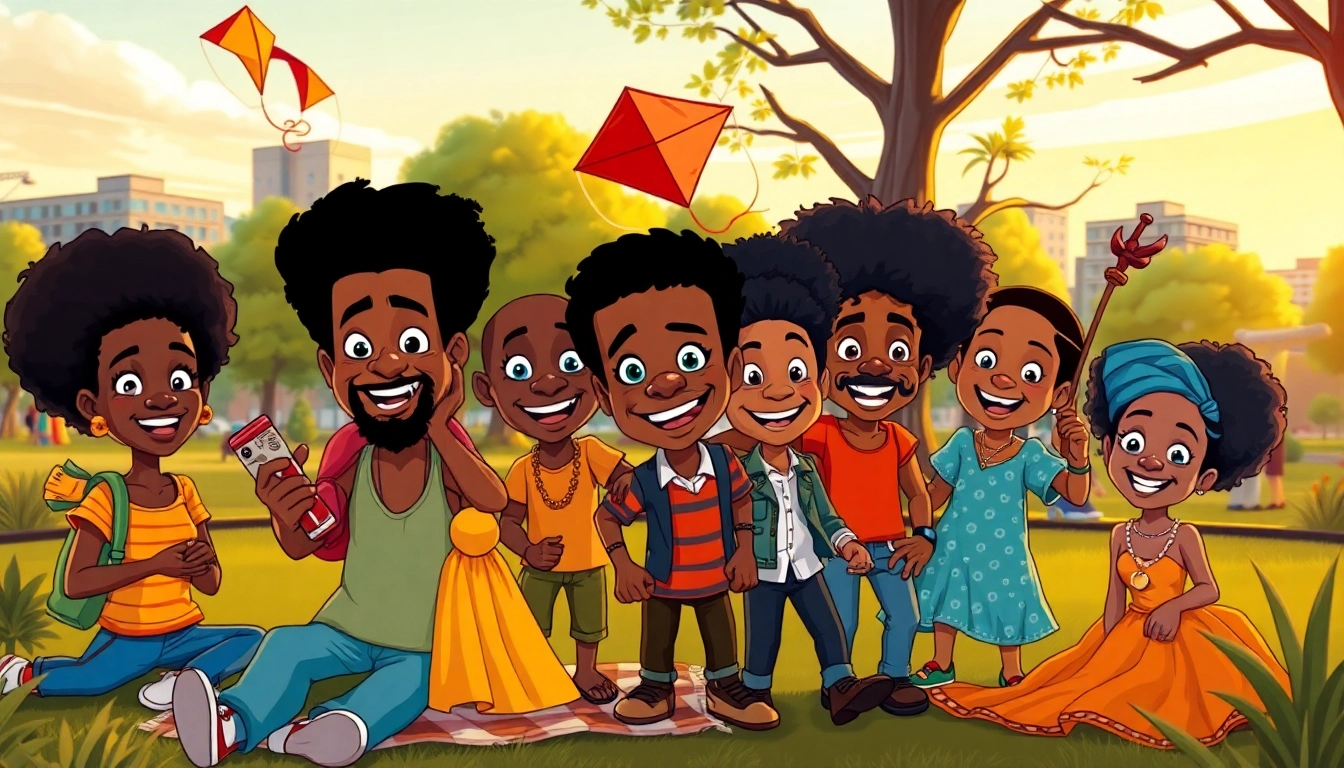
Understanding African American Cartoons: A Cultural Overview
The landscape of animation has evolved significantly over the decades, and among the most vibrant and impactful contributions are those from African American creators. African American cartoons not only entertain but also provide vital representation for a community historically marginalized in mainstream media. These animated works tell stories that resonate with diverse audiences, bridging cultural gaps while educating and inspiring. Understanding the roots and implications of these cartoons is essential for appreciating their role in both art and society, particularly as we move into a new era of animation in 2026.African American Cartoons serve as a crucial lens through which to examine this cultural evolution.
The Historical Context of African American Representation in Animation
The history of African American representation in animation is both complex and rich. It dates back to early caricatures and stereotypes prevalent in the 19th and 20th centuries. Characters such as “Zip Coon” and “Jim Crow” showcased the negative and often damaging portrayals of Black individuals. However, the landscape began to change in the late 20th century with the advent of more nuanced characters and storytelling.
One of the first significant successes was the 1972 show “Fat Albert and the Cosby Kids,” created by Bill Cosby. This series effectively highlighted socio-economic issues while celebrating the lives of young African American children. As the animation industry began embracing diversity, shows like “The Boondocks,” created by Aaron McGruder, further provided sharp social commentary through humor and a unique animation style, showcasing the complexities of Black culture.
Key Influential Characters and Their Impact on Culture
Characters such as Huey and Riley Freeman from “The Boondocks,” and Penny Proud from “The Proud Family,” have left significant cultural footprints. They represent various aspects of African American life and have become icons for many. In particular, Penny Proud’s experiences as an adolescent navigating personal and social challenges resonate with young viewers, while also fostering a dialogue about identity and cultural pride.
Furthermore, the character Frozone from “The Incredibles,” although not centered in predominately African American narratives, represents a breakthrough for Black superheroes in mainstream animation, paving the way for more diverse character development in major studios.
Evolution of Themes and Narratives in African American Cartoons
As times have changed, so too have the themes and narratives explored in African American cartoons. Initially characterized by caricatures and humor, these works have evolved into rich narratives that tackle social issues like racism, identity, and family dynamics. More recent shows like “Craig of the Creek” bring together diverse characters in everyday settings, emphasizing friendship and community. This shift reflects broader societal changes and a growing demand for authentic representation in children’s media.
Iconic Characters: Celebrating Diverse Personalities
Most Popular African American Cartoon Characters of All Time
Over the decades, numerous characters have become staples in animation, influencing countless viewers and other media. Huey and Riley Freeman lead from “The Boondocks,” while characters from shows like “The Proud Family” resonate with audiences due to their relatable life experiences. Bebe from “Bebe’s Kids,” though humorous, also serves as a character that offers commentary on generational differences and socio-economic issues.
New Faces in Animation: Emerging Characters in 2026
As we enter 2026, the animation industry continues to unveil new characters who embody diverse experiences and stories. Emerging series are introducing characters like Shari from “My Dad the Bounty Hunter,” showcasing the complexity of family life within a science fiction context. These characters challenge stereotypes and introducestorylines that reflect the modern African American experience, paving the way for more inclusive narratives in the future.
Cultural Significance of Representation in Children’s Media
Representation in children’s media is pivotal. African American cartoons serve to normalize diversity, allowing children from various backgrounds to see themselves reflected in positive and relatable roles. This representation fosters empathy and understanding among peers, which is crucial in today’s increasingly multicultural society. The impact of animated series goes beyond entertainment; they play a fundamental role in shaping children’s identity and worldviews.
Analysis of Trending African American Cartoons in 2026
Top African American Cartoons to Watch This Year
As we delve deeper into 2026, certain African American cartoons stand out for their storytelling and character development. Titles like “Young Justice,” featuring diverse superhero backgrounds, and “Maya and the Three,” which incorporates cultural folklore, highlight the continued evolution of the genre. These shows not only entertain but also engage viewers in meaningful discussions about identity and community.
How Streaming Platforms Are Shaping Access to Diverse Content
With the rise of streaming platforms, access to African American cartoons has significantly increased, allowing for a broader range of stories to be told. Companies like Netflix and Hulu are investing in original animated series that feature diverse creators and characters. This shift not only democratizes content but also encourages a more inclusive narrative landscape, reflecting the experiences of marginalized communities.
Viewer Trends: What Audiences Are Looking For
Today’s audiences seek authenticity and depth in their animated content. They favor shows that tackle real-life issues while retaining a sense of humor and warmth. Trending viewer feedback indicates a desire for complex characters and compelling story arcs that resonate with both younger and older demographics. As cultural dialogues evolve, so too does the expectation for animated series to reflect those changes realistically.
Creating Inclusive Content: Best Practices for Animators
Strategies for Authentic Representation in Animation
Creating authentic representation involves more than just diverse character design. It requires deep engagement with the communities being portrayed. Animators are encouraged to conduct research, involve cultural consultants, and prioritize authentic storytelling. Emphasizing relatability and real-life experiences helps create characters and narratives that resonate genuinely with audiences.
Collaborating with Diverse Voices in Storytelling
Incorporating diverse voices in the storytelling process is crucial for authentic representation. Collaborating with writers and artists from different backgrounds enhances the richness of the narrative and ensures that characters are portrayed accurately. This collaborative approach can lead to a more inclusive animation industry, fostering innovation and creativity.
The Role of Feedback from Viewers in Shaping New Content
Feedback from viewers plays an essential role in shaping the direction of animated content. Listening to audience reactions, both positive and critical, can provide insight into which themes resonate and which aspects need adjustment. Engaging with the audience fosters a sense of community and helps animators remain attuned to the needs and desires of their viewers.
Future Trends: The Next Wave of African American Cartoons
Predictions for 2027 and Beyond: What’s Next for Diversity in Animation
As the storytelling landscape expands, predictions for 2027 suggest an increased demand for diverse narratives that reflect the realities of a globalized world. Audiences will seek out stories that not only entertain but also educate, pushing creators to craft content that is both engaging and socially relevant.
The Role of Technology in Evolving Animation Styles
Technological advancements are continuously reshaping animation styles and capabilities. From 3D animation to interactive storytelling, these innovations allow for more visually stunning and immersive experiences. Creators utilizing cutting-edge technology can bring stories to life in new ways, capturing the attention of younger audiences and keeping them engaged.
How Global Perspectives Will Influence African American Cartoons
The influence of global perspectives on African American cartoons is already being felt. As creators draw inspiration from various cultures, the resulting narratives often reflect a blend of experiences. This cultural amalgamation not only enriches the storytelling process but also promotes a more interconnected understanding of global issues through the lens of African American experiences.