
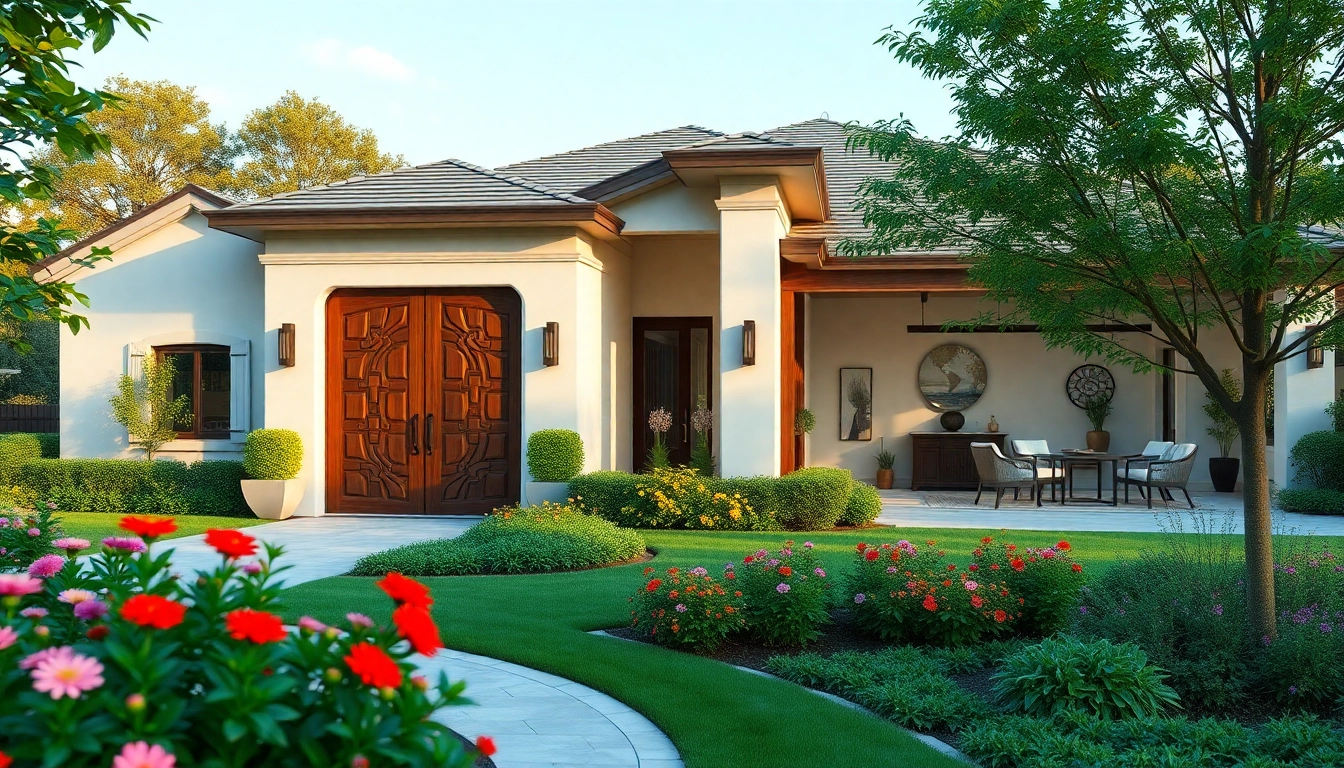
Understanding Custom Residential Architecture Services
What Are Custom Residential Architecture Services?
Custom residential architecture services encompass a wide range of design and planning activities tailored specifically to individual homeowners and their unique needs. Unlike standard home designs, these services prioritize personalized solutions that accommodate the lifestyle, preferences, and needs of the residents. From conceptualization to execution, custom architecture takes into account various factors, such as site location, environmental impacts, budget constraints, and personal tastes. By engaging with professionals skilled in architecture and design, homeowners can bring their visions to life while ensuring functional and aesthetic appeal.
The Benefits of Tailored Home Designs
Investing in Custom residential architecture services yields several compelling advantages:
- Personalization: Homeowners can express their tastes and preferences through bespoke designs that reflect their personalities.
- Maximized Functionality: Tailored designs address the specific needs of the household, enhancing daily functionality and comfort.
- Market Value: Unique and well-designed homes often have enhanced market value, making them more attractive to potential buyers.
- Quality Craftsmanship: Professionals bring their expertise to ensure high-quality materials, construction methods, and overall design integrity.
- Efficient Use of Space: Custom architecture allows for intelligent use of space, optimizing layouts for practicality and aesthetics.
Key Elements in Custom Home Architecture
Understanding the core elements that define effective custom home architecture is essential for successful projects. Here are some key components:
- Site Analysis: Evaluating the land’s topography, climate, and surrounding environment ensures the design integrates well into its location.
- Architectural Style: The chosen style, whether modern, traditional, or a blend, influences the overall look and feel of the home.
- Floor Plan Design: A well-thought-out floor plan promotes better flow and functionality, supporting lifestyle choices.
- Material Selection: Appropriate materials not only influence aesthetics but also durability, maintenance, and environmental impact.
- Sustainability Features: Integrating sustainable practices such as solar panels, rainwater harvesting, and sustainable materials can enhance energy efficiency and reduce the home’s carbon footprint.
Steps to Begin Your Custom Home Project
Initial Consultation and Needs Assessment
The first step in any custom home project is the initial consultation. This meeting serves as a platform to establish rapport between the homeowner and the architect. During this phase:
- Homeowners articulate their vision, preferences, and specific needs.
- Architects assess the property, considering elements such as topography, zoning laws, and neighborhood characteristics.
- A preliminary budget is discussed, ensuring expectations are aligned with financial realities.
By gathering this information upfront, both parties can craft a focused approach to the design process.
Design Process Overview
The design process is typically iterative, involving several crucial steps:
- Conceptual Designs: Architects create initial sketches based on the gathered requirements and site analysis.
- Design Development: Feedback from homeowners leads to revisions and refinements, enhancing functionality and aesthetics.
- Final Drawings: Once a consensus is reached, detailed blueprints and specifications are prepared for construction.
- Permitting: The final design goes through zoning and building permit processes to ensure compliance with local regulations.
This process ensures that the final design not only meets the homeowner’s vision but adheres to building codes and regulations.
Choosing Materials and Features
Material selection plays a critical role in the aesthetics, durability, and sustainability of a home. Homeowners should consider:
- Local Availability: Choosing materials that are locally sourced can reduce environmental impacts and support the local economy.
- Durability: Selecting long-lasting materials minimizes future repair costs and maintenance.
- Energy Efficiency: Energy-efficient materials and features, such as insulated windows and efficient heating systems, can significantly reduce utility costs.
During the planning stages, architects can assist homeowners in making informed decisions that align with their vision and budget.
Challenges in Custom Residential Architecture
Managing Budget Constraints
One of the most common challenges in custom residential architecture is managing budget constraints. Homeowners often start with a vision that may require adjustments based on financial realities. To effectively navigate this challenge:
- Set a Clear Budget: Establishing a detailed budget allows homeowners to prioritize aspects of the design that are most important to them.
- Be Open to Compromise: Being flexible with design elements, finishes, or materials may create opportunities for cost savings.
- Regular Budget Reviews: Continuously assessing expenditure against the budget can help minimize overspending during the project.
Dealing with Zoning and Permitting Issues
Zoning and permitting can pose significant challenges, especially in areas with strict regulations. To navigate this landscape effectively, homeowners should:
- Research Local Regulations: Understanding the zoning laws can prevent future complications and delays.
- Engage Early with Authorities: Consultation with local authorities early in the design process can ensure all plans are compliant.
- Utilize Expert Guidance: Collaborating with experienced architects who understand zoning laws is invaluable in preventing hindered project progression.
Collaborating with Contractors and Suppliers
A successful project relies on effective collaboration among all stakeholders. Homeowners should consider the following:
- Choose Experienced Contractors: Engaging reputable contractors who have experience in custom residential architecture enhances project quality.
- Clear Communication: Establishing open channels of communication ensures all parties remain informed and aligned throughout the project.
- Regular Site Meetings: Regular check-ins with contractors can prevent misunderstandings and keep the project on schedule.
Showcasing Successful Custom Residential Projects
Case Study: Modern Family Home
A recent project featured a modern family home designed with a focus on open spaces and natural light. The architects utilized sliding glass doors that seamlessly integrated the indoor and outdoor living spaces. This design not only enhanced the aesthetic appeal but also improved energy efficiency by maximizing natural ventilation.
Case Study: Eco-Friendly Designs
In this case study, the team focused on sustainability by incorporating solar energy solutions and rainwater harvesting systems. The home design embraced natural materials and included passive design principles that minimized energy consumption while maintaining beauty and functionality.
Case Study: Luxury Urban Residences
A luxury urban residence project highlighted the combination of modern design with metropolitan lifestyle. This home included smart home technologies that allowed residents to control lighting, security, and climate remotely. The architecture featured sleek lines and premium finishes, symbolizing elegance and contemporary living.
Future Trends in Residential Architecture
Sustainable Practices and Innovations
The future of residential architecture is being shaped increasingly by sustainable practices. Architects are emphasizing eco-friendly materials, green certifications, and energy-efficient systems. Innovations in building technology provide homeowners with solutions that reduce environmental footprints, leading to healthier living environments.
Smart Home Technologies
The integration of smart technologies is transforming residential architecture. Features like automated lighting, advanced security systems, and smart climate control make homes more functional and convenient. These technologies not only enhance the user experience but also contribute to energy savings.
Designing for Flexible Spaces
With the rise of remote working and lifestyle changes, future residential designs are increasingly accommodating flexible spaces. Homes may feature adaptable areas that can serve multiple functions, such as home offices or guest quarters. This versatility allows homeowners to maximize the utility of their living spaces, catering to evolving needs.
Frequently Asked Questions
1. What is the cost of custom residential architecture services?
The cost of custom residential architecture services varies widely based on factors such as project size, complexity, and location. Typically, clients can expect to invest in quality design and materials, but precise figures should be discussed during initial consultations.
2. How long does the custom home design process take?
The design process can take several months, depending on the project’s complexity, permitting requirements, and client feedback. Effective communication with the architect can expedite this timeline.
3. Can I make changes during the design process?
Yes, homeowner input is welcome throughout the design process. However, significant changes may affect the timeline and budget, so discussing these adjustments with the architect is essential.
4. How do I choose the right architect for my project?
Choosing the right architect involves researching their portfolio, understanding their design philosophy, and ensuring they have experience in custom residential projects similar to yours.
5. What should I prepare for the initial consultation?
For the initial consultation, it’s helpful to prepare ideas about your desired home style, budget expectations, and any specific needs such as sustainability features or unique spaces.