
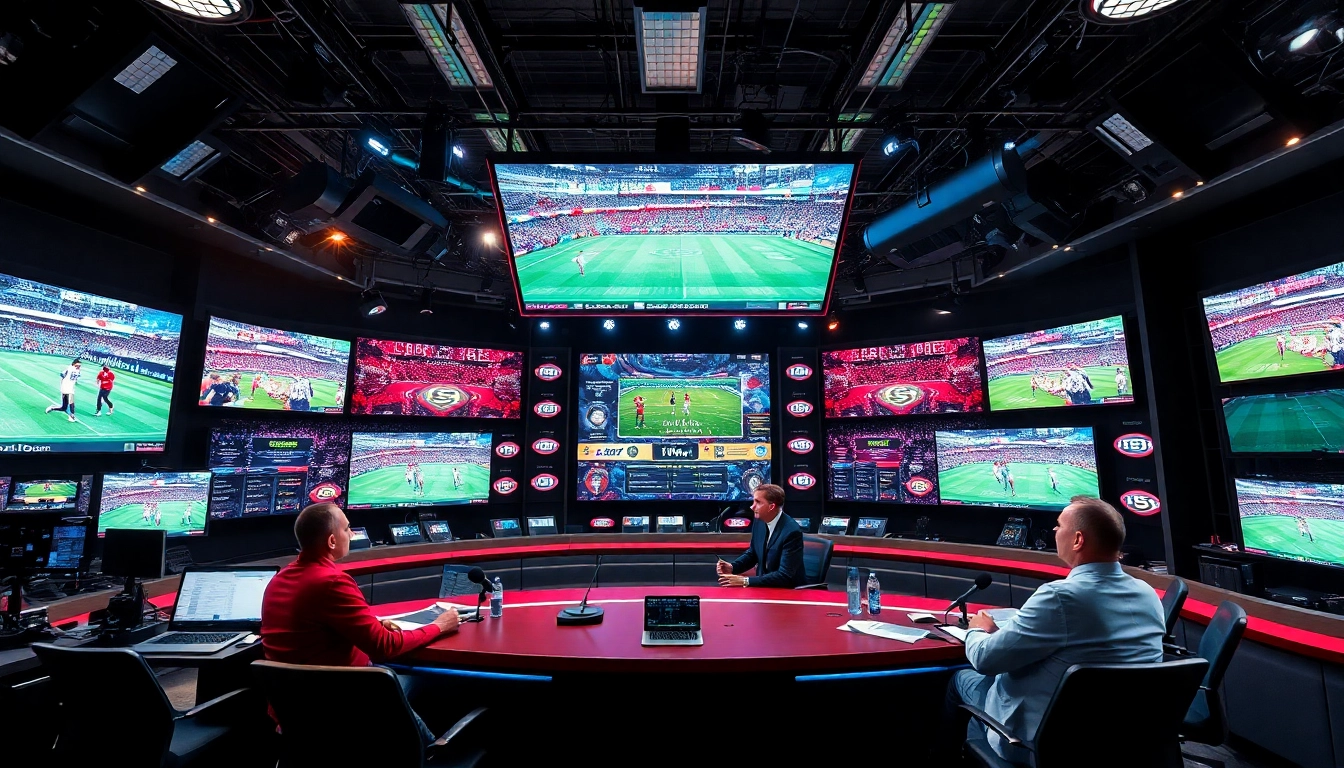
Understanding the Basics of Sports Broadcasting
What is Sports Broadcasting?
Sports broadcasting is the dissemination of sports-related content through various media platforms, including television, radio, and digital channels. The primary goal is to reach audiences during sporting events, providing live commentary, analysis, and updates. This field combines journalism, communication, and entertainment, fostering a connection between athletes and audiences worldwide. As technology evolves, so do the methods and platforms used for broadcasting, expanding the definition to encompass online streaming and social media interactions. For a detailed guide on effective strategies, you can refer to Sports Broadcasting.
History and Evolution of Sports Broadcasting
The journey of sports broadcasting began with radio broadcasts in the early 20th century. In the 1920s, major sporting events like the Rose Bowl were among the first to be aired on radio, setting a precedent for live coverage. The invention of television in the late 1940s transformed the landscape, allowing viewers to watch games in real-time from the comfort of their homes. The introduction of color television further enriched viewer experiences during the 1960s. Recent decades have seen the rise of digital and streaming platforms, changing how audiences consume sports, with a focus on accessibility and interactivity.
The Role of Technology in Modern Broadcasting
Today’s sports broadcasting heavily relies on advanced technology to enhance viewer engagement and accessibility. From high-definition cameras and drones to augmented reality graphics, technology has revolutionized how sports events are covered. Analytics also play a significant role by offering insights into player performances and game strategies, which broadcasters use to provide deeper analysis. Social media integration allows real-time engagement and facilitates discussions, making the viewing experience more interactive.
Essential Skills for Sports Broadcasters
Communication Skills and Presentation Techniques
Effective communication is paramount in sports broadcasting. Broadcasters must articulate information clearly and captively to engage viewers. They should master presentation skills, including body language, voice modulation, and timing, as they convey excitement and information. Practicing storytelling techniques allows broadcasters to bring events to life, creating a narrative that resonates with the audience and maintains their interest throughout the event.
Research Skills to Enhance Coverage
In-depth research is crucial for credible sports broadcasting. Broadcasters should stay informed about team stats, player backgrounds, and historical contexts. This knowledge enables them to provide insightful commentary that adds value to the viewing experience. Engaging with statistical analysis and understanding current trends allows broadcasters to enrich their narratives and provide fans with context, enhancing their connection to the sport.
Building a Strong On-Air Persona
A strong on-air persona helps broadcasters establish trust and relatability with their audience. Developing a unique style that reflects individual charisma while maintaining professionalism is essential. Broadcasters should be genuine, passionate, and knowledgeable. Engaging with fan feedback and adapting to audience preferences can also help refine a broadcaster’s persona, leading to a more loyal viewership.
Content Creation for Sports Broadcasting
Planning and Producing Engaging Sports Segments
Creating captivating sports segments requires meticulous planning and creativity. Broadcasters must decide the segment’s focus, be it highlights, interviews, or expert analyses. Utilizing creative storytelling techniques keeps segments fresh and engaging. Collaborating with producers to combine video highlights, graphics, and statistics can significantly enhance viewer experience and understanding.
Interviews and Fan Engagement Strategies
Interviews with players, coaches, and analysts enrich sports broadcasts by bringing personal insights and perspectives to the audience. Taking fans’ questions and comments during live broadcasts fosters engagement and builds community around the sport. Utilizing polls and social media interactions during a broadcast can also increase viewer participation, ensuring the content stays relatable and dynamic.
Utilizing Social Media for Broader Reach
Social media platforms are essential tools for sports broadcasters. They provide an avenue to share live updates, highlights, and behind-the-scenes content, helping to create a narrative that extends beyond the broadcast. Engaging with fans through social posts, live streams, and Q&A sessions also broadens outreach and enhances interactions, creating a two-way dialogue that fosters loyalty.
Challenges in Sports Broadcasting
Addressing Bias and Fairness in Sports Coverage
Objectivity is a critical aspect of sports broadcasting. Broadcasters must remain impartial and provide balanced coverage to preserve credibility. This necessitates the implementation of editorial guidelines, ensuring that various perspectives are represented fairly. Engaging diverse voices and analyzing issues critically can help mitigate bias and enhance the overall quality of sports discourse.
Managing the Pressure of Live Broadcasts
Live broadcasting can be intensely stressful, often requiring quick thinking and rapid decision-making. Broadcasters must develop resilience and the ability to stay calm under pressure. Training in stress management techniques, coupled with rehearsals, can prepare hosts for high-pressure situations. Building a strong support network within production teams contributes to effective stress handling.
Handling Technical Difficulties on Air
Technical issues can arise unexpectedly during live broadcasts, potentially disrupting the flow of coverage. Broadcasters need to develop problem-solving skills and flexibility to adapt quickly. Staying informed about equipment and production processes can help them troubleshoot and manage crises effectively, ensuring the audience experiences minimal disruptions.
Future Trends in Sports Broadcasting
The Impact of Streaming Services
The rise of streaming services has dramatically shifted the landscape of sports broadcasting. Viewers now have access to a plethora of sports content on-demand, changing how networks approach programming. This shift encourages broadcasters to provide more personalized and flexible broadcasting options, catering to the diverse preferences of modern audiences.
Innovations in Viewer Engagement
Innovative viewer engagement methods are becoming mainstream in sports broadcasting. Interactive features such as live polls, augmented reality overlays, and viewer feedback mechanisms are transforming the viewing experience. These innovations not only captivate audiences but can also enhance understanding and enjoyment of the sport being covered.
Emerging Technologies in Sports Broadcasting
Emerging technologies are shaping the future of sports broadcasting. Virtual reality (VR) and artificial intelligence (AI) are starting to play significant roles in creating immersive viewing experiences. AI systems can analyze plays and generate insights, while VR allows fans to feel as though they are on the field or court. These technologies promise to revolutionize how audiences engage with sports, providing unparalleled depth and interactivity.
Frequently Asked Questions
What Are the Career Paths in Sports Broadcasting?
Career paths in sports broadcasting include sports announcer, reporter, producer, and technical director, among others. Each role requires a unique skill set, ranging from communication to technical proficiency.
How Do I Get Started in Sports Broadcasting?
To start a career in sports broadcasting, pursue relevant education in journalism or communications. Gaining experience through internships, volunteer work, or campus media can also be highly beneficial.
What Kind of Technology Is Used in Sports Broadcasting?
Common technologies include high-definition cameras, graphic creation software, audio mixing equipment, and online streaming tools. These technologies enhance the quality and engagement of broadcasts.
How Do Broadcasters Stay Neutral in Coverage?
Broadcasters maintain neutrality by adhering to editorial guidelines, employing objective reporting techniques, and ensuring diverse perspectives are represented in their coverage.
What Are the Trends Shaping the Future of Sports Broadcasting?
Trends include the rise of streaming services, enhanced viewer engagement through technology, and the integration of virtual reality, significantly changing how audiences consume sports content.