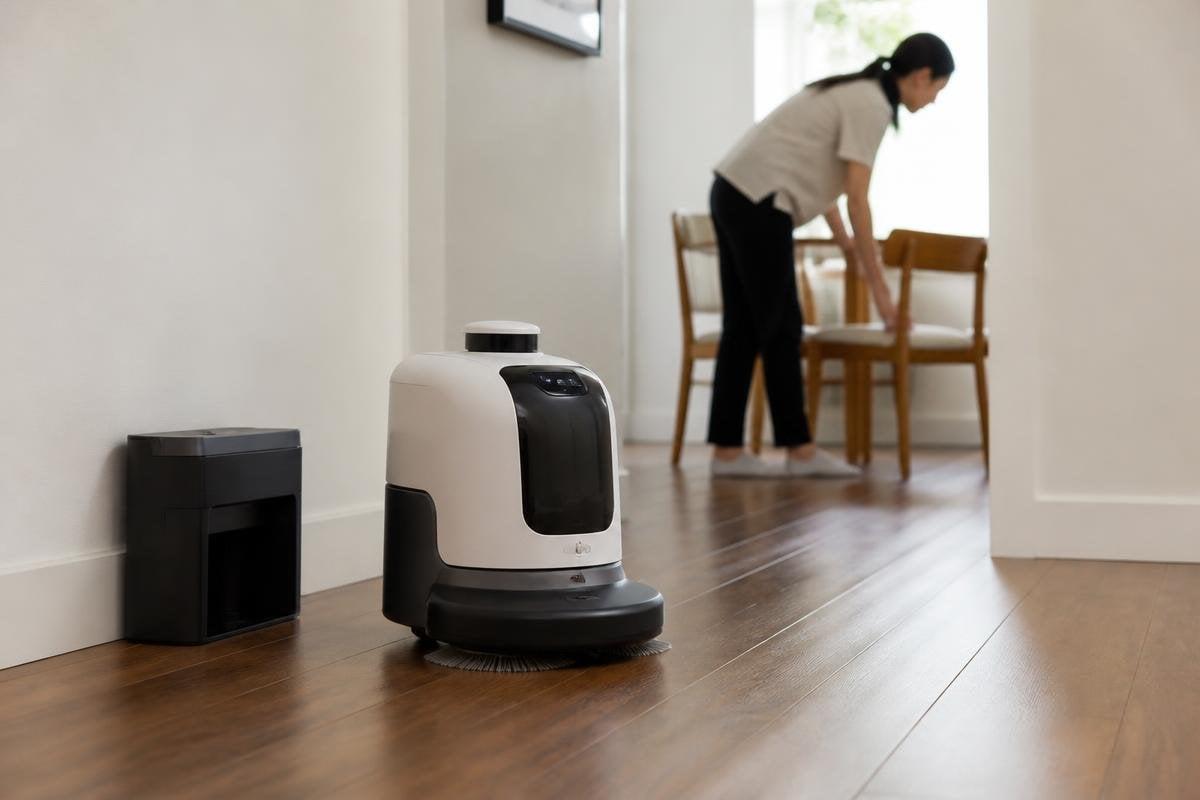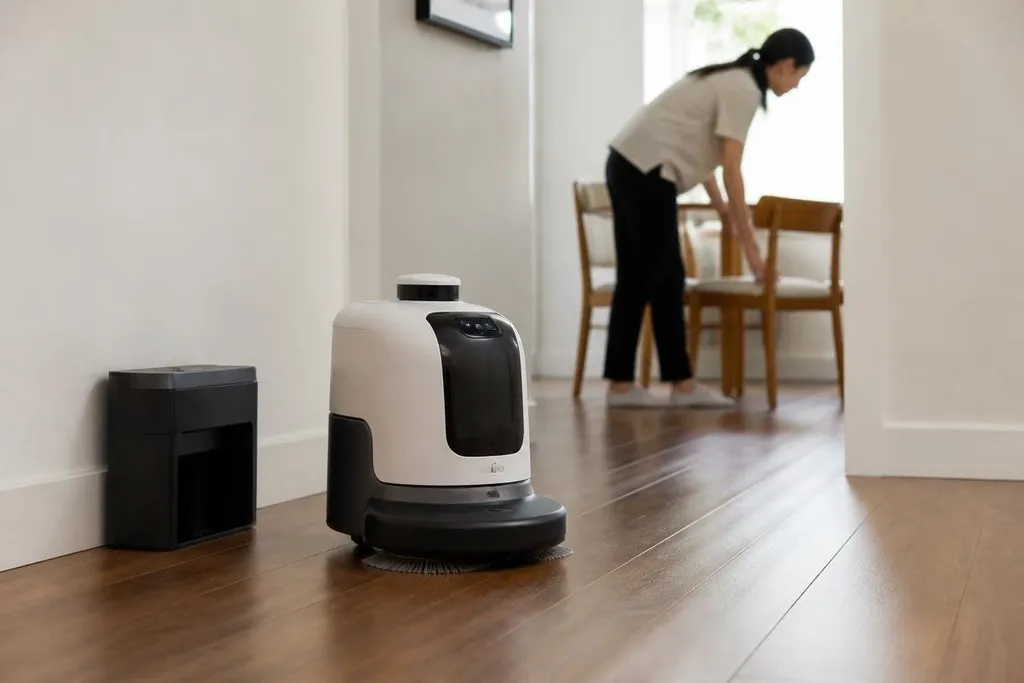
A service robot will earn a place by doing one useful task well. The harder test comes when that task changes, the room gets crowded, or a person needs help the robot wasn't trained to give.
For a buyer, the useful question isn't whether service robots will spread. It’s which jobs can be described clearly enough for a machine to do them safely, at a sensible cost, with a person ready to step in.
Quick read
- Narrow jobs will reach daily use before general-purpose helpers.
- Human handoff will remain part of most service robot work.
- Homes, hotels, hospitals, and shops will need different designs and rules.
The first jobs will be easy to measure
A service robot has a better chance when its job has a clear start and finish. Moving a tray from one marked point to another is easier to check than “helping in a hotel.” Cleaning a set floor area is easier to review than “keeping a home tidy.”
That difference affects buying decisions. A manager can count completed deliveries, missed tasks, staff callouts, and battery stops. A household needs to judge mess, noise, privacy, and what happens when a chair blocks the robot’s route.
Narrow work also limits the number of surprises. A robot built for one hallway or one delivery route can carry maps, safety rules, and tools suited to that place.
When asked to work anywhere, the robot must deal with stairs, loose objects, pets, children, doors, and people who do not move aside.
Human handoff will stay in the system
Service robots won't handle every unusual case on their own. A blocked doorway, dropped object, unknown person, or damaged package can turn a routine task into a decision that needs human judgment.
That does not make the robot useless. It changes the design. A good system can pause, report the problem, and let a person guide the next move through remote control or a clear instruction screen.
The cost of that support matters. If one worker must watch too many robots, the staffing plan may fail. If the robot needs help only for rare cases, the same system may make sense. Buyers will need records from real operation, not a short video showing the easy part.
A robot that works in a shop may face stairs and poor lighting at home. Service robotics reporting from Robot24.com can put those claims beside the named machine, test setting, and date.
Homes will expose the hard problems
A shop or hotel can change its layout to suit a robot. A home cannot be reset so neatly. Furniture moves, lighting changes, floors collect cables, and each household has its own rules about cameras, microphones, and stored data.
That makes home service robots a harder product than a machine that repeats a task in one managed site. The robot must work around people without making them feel watched or forcing them to become part-time technicians.
Care work adds another limit. A robot may carry supplies, remind someone about a scheduled task, or connect a person with staff. Physical care, medical judgment, and emergencies need clear human control. A machine that hides its uncertainty creates a safety problem.
What will decide adoption
The next phase will depend less on a single clever demo and more on boring details. Can the robot recover from a blocked route? Can staff clean it, charge it, and fix small faults? Does the maker explain what data the robot stores and how long it keeps that data?
I’d choose a robot with a narrow job, clear failure messages, and a tested handoff over one with a longer list of promised tasks.
A buyer’s checklist
Use these questions before approving a service robot:
- Define the task: Write the exact start point, end point, object, and expected result.
- Count the exceptions: List blocked routes, dropped items, unfamiliar people, and access problems.
- Test the handoff: Check how a worker receives an alert and takes control.
- Price the support: Include charging, cleaning, repairs, software, training, and staff time.
- Set data rules: Record which sensors collect data, where it goes, and when it is deleted.
- Name the stop point: Decide when the robot must pause and wait for a person.
Service robots will move forward when their limits are part of the plan rather than hidden behind a polished demonstration. The practical measure is simple: after the robot meets an ordinary problem, how quickly can the work continue?