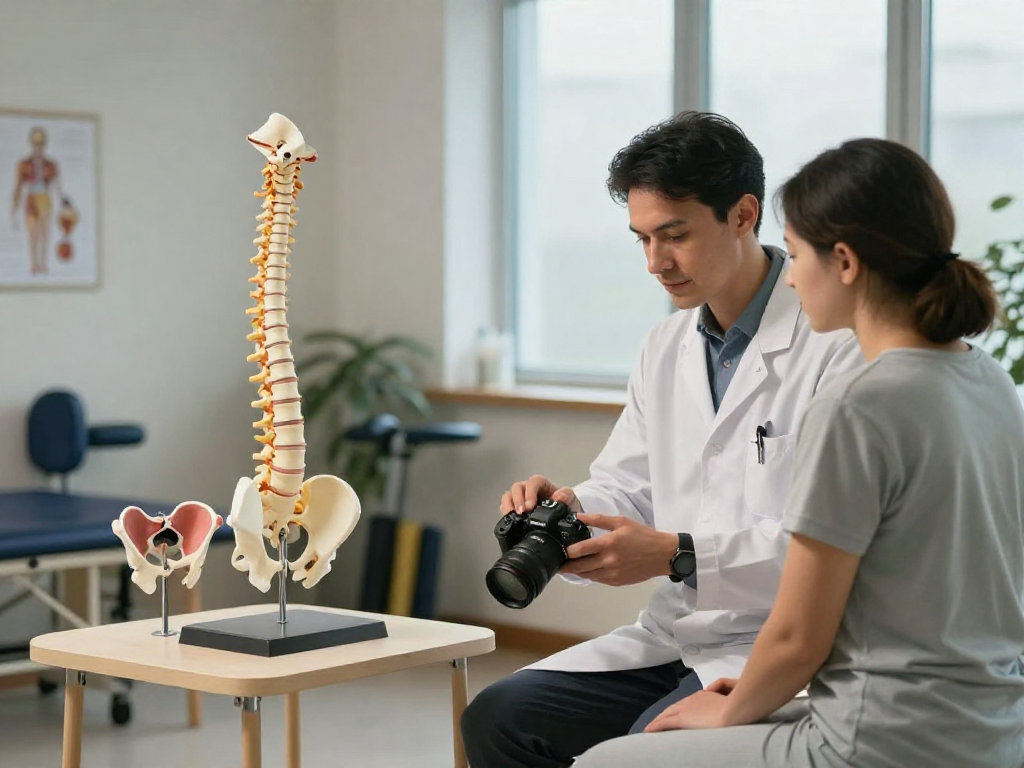
Understanding Bel Fıtığı and Its Symptoms
Bel fıtığı, commonly referred to as lumbar disc herniation, is a condition that affects a significant number of people worldwide. It manifests predominantly as pain that radiates from the lower back to the legs, often accompanied by a range of debilitating symptoms. As individuals grapple with the discomfort, understanding the stages of this condition and when surgical intervention might become necessary is crucial. For those exploring their options, Bel fıtığı ameliyatı provides comprehensive insights into this pressing medical issue.
What is Bel Fıtığı?
Bel fıtığı is characterized by the displacement of intervertebral disc material, which can impinge on nearby nerves, leading to pain, weakness, and other neurological symptoms in the lower extremities. This condition typically arises from age-related degeneration, acute trauma, or repetitive stress injuries. As the spinal discs lose hydration and elasticity, they become more susceptible to herniation, which is a primary concern for those engaged in physically demanding professions or sedentary lifestyles.
Common Symptoms of Bel Fıtığı
The symptoms of bel fıtığı can vary widely among individuals, but some common manifestations include:
- Localized Pain: Pain in the lower back that may worsen with movement.
- Radiculopathy: Pain that radiates down the leg, potentially following a specific nerve route.
- Numbness or Tingling: Sensations in the buttocks, legs, or feet, often described as a "pins and needles" feeling.
- Muscle Weakness: Difficulty in lifting the foot, which may hinder normal walking.
- Loss of Bladder or Bowel Control: In severe cases, this may indicate cauda equina syndrome, which requires immediate medical attention.
When to Seek Medical Help for Bel Fıtığı?
It is essential for individuals suffering from persistent lower back pain or leg pain, especially when accompanied by neurological symptoms, to seek medical assistance. Early diagnosis and treatment can significantly improve outcomes. Individuals should be particularly vigilant for symptoms such as rapidly progressive weakness in the legs, loss of bladder or bowel control, and persistent unrelenting pain that does not respond to over-the-counter medications.
Diagnosing Bel Fıtığı: The Essential Tests
Diagnosis of bel fıtığı involves a meticulous evaluation by a healthcare professional, often incorporating advanced imaging techniques to confirm the presence and extent of the herniation. The diagnostic process typically unfolds in several key stages.
Initial Evaluation and History Taking
During the initial consultation, the doctor will conduct a comprehensive review of the patient's medical history and a physical examination. Understanding the onset of symptoms, any triggering incidents, and the nature of the pain can provide critical insights into the diagnosis.
Imaging Studies: MRI and CT Scans
Following the physical examination, imaging studies such as MRI (Magnetic Resonance Imaging) or CT (Computed Tomography) scans are often employed to visualize the spine's internal structures. These imaging modalities are essential for confirming the presence of a herniated disc and assessing its impact on surrounding neurological structures.
Understanding Test Results for Treatment Options
Once the imaging results are available, doctors can tailor treatment options based on the severity of the herniation, associated symptoms, and the patient’s overall health. A comprehensive understanding of the findings can help in deciding whether conservative treatment or surgical intervention is appropriate.
Treatment Options for Bel Fıtığı
When it comes to treating bel fıtığı, a variety of strategies exist, ranging from conservative management to surgical solutions. The choice of treatment often depends on the severity of symptoms and the patient's overall health.
Non-Surgical Treatments: What Works?
Many individuals initially respond well to non-surgical treatments. These may include:
- Physical Therapy: Tailored exercises can strengthen the muscles supporting the spine and improve flexibility.
- Medications: Anti-inflammatory drugs, muscle relaxants, and pain relievers can help manage symptoms effectively.
- Injection Therapies: Corticosteroid injections can provide temporary relief from pain and inflammation.
- Chiropractic Care: Spinal manipulation by a qualified practitioner may alleviate discomfort in some patients.
When is Surgery Necessary? Signs and Indicators
Surgical intervention becomes necessary in cases where conservative treatments fail to provide relief, particularly when the following signs are present:
- Progressive Neurological Deficits: Increasing weakness or numbness in the extremities.
- Severe Pain: Unremitting pain that disrupts daily activities and sleep.
- Cauda Equina Syndrome: A rare but critical condition involving loss of bladder control and severe weakness.
Overview of Bel Fıtığı Ameliyatı Types
Bel fıtığı ameliyatı, or herniated disc surgery, can be performed through various techniques, including:
- Open Surgery: A traditional method involving larger incisions to access the spine.
- Mikrocerrahi: A minimally invasive approach using high-powered magnification to remove the herniated disc tissue with less impact on surrounding tissues.
- Endoscopic Surgery: Utilizing a camera for precise visualization and removal of disc material through a small incision.
The Surgical Procedure: What to Expect
Understanding the surgical process can alleviate some of the anxiety associated with bel fıtığı ameliyatı, enabling patients to approach the procedure with confidence.
Pre-Surgery Preparations and Consultations
Prior to surgery, patients may undergo pre-operative assessments, including blood tests and imaging studies to ensure they are fit for surgery. It is also crucial to have a detailed discussion with the surgical team about the procedure, expected outcomes, and potential risks.
The Surgical Process Explained
During the surgical procedure, general or local anesthesia is administered. The surgeon makes an incision and carefully navigates to the affected disc, removing the herniated portion while preserving as much healthy tissue as possible. The use of advanced techniques such as microscopy allows for precision and minimal tissue disruption.
Post-Operative Care and Recovery Expectations
Post-surgery, patients are typically monitored in a recovery area before being discharged on the same day. While some discomfort is to be expected, most patients find relief from their pre-surgery pain. A structured rehabilitation plan, involving physical therapy, is often initiated shortly after to facilitate recovery and prevent recurrence.
Long-Term Management and Prevention of Bel Fıtığı
Effective long-term management of bel fıtığı requires a comprehensive approach that incorporates physical rehabilitation and lifestyle modifications to prevent recurrence.
Physical Therapy and Rehabilitation Techniques
Post-operative rehabilitation is vital for restoring strength and flexibility in the spine. Physical therapists design individualized programs that may include:
- Stretching Exercises: To improve flexibility and reduce muscle tension.
- Strengthening Routines: Focused on core stability to support the spine.
- Postural Training: To enhance body mechanics and reduce strain.
Lifestyle Changes to Prevent Recurrence
Embracing certain lifestyle changes can significantly reduce the likelihood of future episodes of bel fıtığı:
- Weight Management: Maintaining a healthy weight to minimize stress on the spine.
- Regular Exercise: Engaging in low-impact activities, such as swimming or walking, to enhance overall fitness.
- Ergonomic Adjustments: Implementing ergonomic practices at work and home to support proper posture.
Future Trends in Bel Fıtığı Treatment By 2026
As medical technology continues to evolve, the landscape of bel fıtığı treatment is also changing. By 2026, we anticipate advancements in:
- Biologics: The use of regenerative medicine to promote healing in degenerated discs.
- Robotic Surgery: Enhancing precision and outcomes in surgical interventions.
- Telemedicine: Expanding access to specialist consultations and follow-up care.
What are the first symptoms of Bel Fıtığı?
Initially, patients may experience localized lower back pain that may radiate to the legs, often exacerbated by movement or certain positions.
How long does recovery take after Bel Fıtığı Ameliyatı?
Recovery time varies based on the surgical technique employed and individual healing rates, with many patients returning to normal activities within weeks.
What are the risks associated with Bel Fıtığı surgery?
Potential risks include infection, bleeding, nerve damage, and recurrent symptoms. Discussing these risks with a healthcare provider is essential prior to surgery.
Can Bel Fıtığı be treated without surgery?
Yes, many patients find relief through non-surgical methods, including physical therapy, medication, and advanced minimally invasive techniques.. Additionally, Bel fıtığı ameliyatı provides further details.
What lifestyle changes can help manage Bel Fıtığı?
Incorporating regular physical activity, maintaining a healthy weight, and ensuring proper ergonomics at work can significantly benefit those suffering from bel fıtığı.