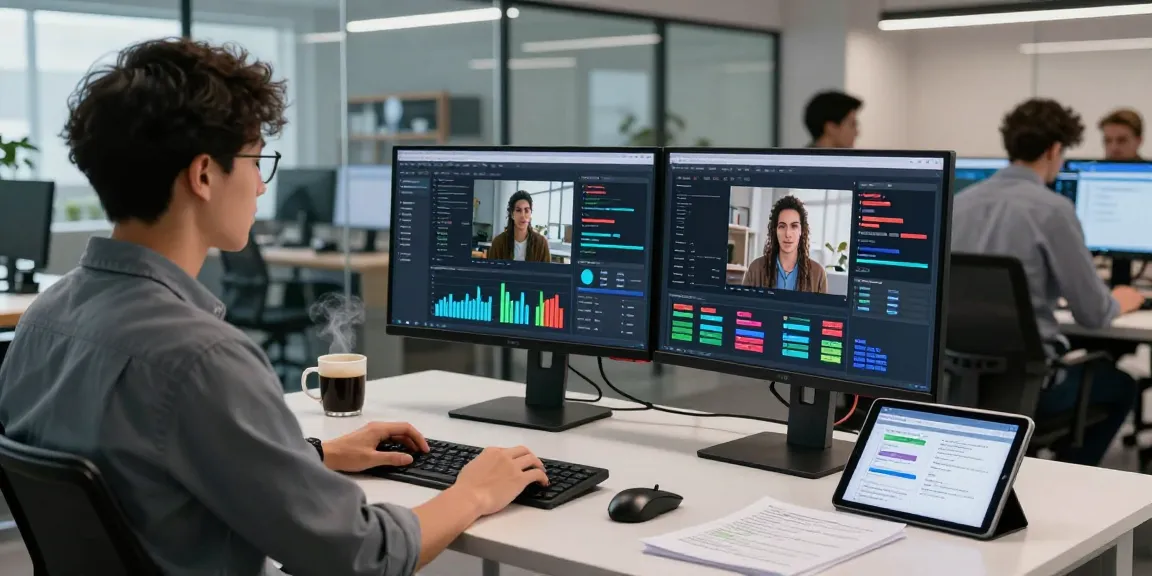
Understanding AI Image Detection Technology
Artificial Intelligence (AI) has become an integral part of digital content management, particularly in the realm of image detection. The ability of AI to identify and categorize images enables businesses to maintain safe and engaging online environments. The demand for reliable solutions to detect ai image has surged, as organizations strive to stay ahead of emerging threats related to inappropriate content and misuse of media.
What is AI Image Detection?
AI image detection refers to the use of sophisticated algorithms and machine learning models to analyze visual content. These technologies can automatically identify specific features within images, such as objects, faces, or signs of inappropriate content. Essentially, AI image detection enables systems to distinguish between safe and harmful media, which is particularly crucial for platforms that rely on user-generated content.
The Importance of Detecting AI-Generated Images
With the rise of advanced tools like Midjourney and DALL·E that generate hyper-realistic images, distinguishing between real and AI-generated content has become increasingly challenging. The implications of failing to detect such images can range from a compromised brand integrity to legal repercussions. Therefore, having a reliable AI detection tool is vital for businesses looking to protect their communities and maintain user trust.
How AI Models are Trained for Image Detection
Training AI models for image detection involves using vast datasets comprising various types of images. These datasets enable the models to learn patterns and features associated with specific categories of content. Models are iteratively refined through supervised learning, where human annotators label images, and unsupervised learning, where models identify patterns without explicit instructions. The end goal is to create a robust system capable of accurately flagging inappropriate content while minimizing false positives.
Best Practices for Implementing AI Image Moderation
Implementing an effective AI moderation strategy requires a comprehensive understanding of the platform's needs and the behavior of its user base. Tailoring the approach to specific content types and user interactions can significantly enhance the overall effectiveness of image moderation.
Customizing Moderation Rules for Your Platform
Every platform has unique content requirements and community standards. Customizing moderation rules allows businesses to fine-tune their AI image detection systems to better serve their specific audiences. Flexible rule configurations enable fine distinctions between what is acceptable or harmful, significantly improving the accuracy of moderation efforts.
Effective Strategies for Reducing False Positives
False positives can diminish user experience, leading to frustration and diminished engagement. To mitigate this, AI systems should be continuously trained on diverse datasets that reflect the nuances of different contexts. Incorporating feedback mechanisms whereby users can report errors helps refine AI understanding and enhances the robustness of detection algorithms.
Integrating AI Moderation with User Experience
A smooth user experience is essential for any platform, especially when deploying AI moderation tools. Striking a balance between stringent content moderation and user engagement is critical. Smart implementations often involve transparent communication with users about moderation policies and giving them options to appeal moderation decisions.
Real-World Applications of AI Image Detection
The application of AI image detection has far-reaching implications across various industries, from social media platforms to e-commerce sites. Businesses are leveraging these technologies to enhance safety and compliance while fostering community engagement.
Case Studies: Success Stories from Fortune 500 Companies
Leading corporations are increasingly utilizing AI image detection tools. For example, social media giants have implemented advanced image analysis systems to automatically flag inappropriate content, significantly reducing the manual review workload. These systems have been shown to improve response times and enhance user satisfaction.
How Different Industries Use AI Image Detection
Different industries deploy AI image detection in unique ways:
- eCommerce: Detecting counterfeit goods by analyzing product images against registered templates.
- Healthcare: Identifying sensitive imagery that could violate patient confidentiality.
- Entertainment: Filtering user-generated content for visual appropriateness.
Lessons Learned from AI Moderation Failures
Failures in AI moderation can lead to significant reputational damage and loss of user trust. Learning from these experiences emphasizes the need for continuous model improvement and responsiveness to community feedback. Companies must remain agile, adapting to new threats and changing content landscapes.
The Future of AI Image Detection (2026 and Beyond)
As technology progresses, the landscape of AI moderation will undoubtedly evolve. Emerging trends suggest a future where AI detection transcends current capabilities to become more accurate and context-aware.
Emerging Trends in AI Moderation Technologies
Some notable trends include the rise of hybrid models that combine rule-based and AI-driven approaches for enhanced accuracy. Additionally, the integration of natural language processing with image detection will allow for a more nuanced understanding of context surrounding visual content.
Future Challenges and Opportunities in AI Detection
Challenges such as deepfake technology and rapidly evolving AI generation tools will test the boundaries of current moderation systems. However, these challenges also present opportunities to innovate and enhance detection capabilities. Companies that invest in robust AI systems will be better positioned to navigate these complexities.
Predictions for AI Image Detection Evolution
By 2026, we can anticipate a significant shift towards more intelligent and adaptive AI moderation systems. These will not only detect inappropriate content but also learn from user interactions to better understand community standards and preferences. The goal will be a seamless integration of content moderation that enhances, rather than disrupts, user experience.
Measuring Success in AI Moderation
Establishing metrics for the success of AI moderation systems is vital in assessing their effectiveness and making necessary improvements.
Key Performance Indicators for AI Image Detection
Key performance indicators (KPIs) are crucial for evaluating the success of image detection systems. Metrics may include:
- Accuracy of flagged content
- Rate of false positives and negatives
- User engagement levels post-moderation
Feedback Loops: Learning from User Reports
Feedback loops are essential in refining AI systems. Cultivating an environment where users can report inaccuracies leads to a wealth of data that can enhance model training and increase the overall accuracy of moderation systems.
Continuous Improvement for AI Models
AI image detection systems must undergo continuous improvement. This requires not just regular training on new datasets, but also the incorporation of emerging trends and user feedback to keep pace with evolving content types and threats.
What is context-aware AI?
Context-aware AI refers to systems capable of understanding the nuances surrounding content. For image detection, this means recognizing the difference between benign images (such as a beach photo) and harmful content (such as explicit material) based on context, ultimately reducing false positives and enhancing user trust.
How can businesses benefit from AI image detection?
Businesses that leverage AI image detection can enhance their content moderation processes, ensuring that their platforms remain safe and user-friendly. This leads to improved brand reputation, user satisfaction, and adherence to legal and community standards.
What are the common challenges in AI moderation?
One of the primary challenges in AI moderation is ensuring accuracy without infringing on user experience. Additionally, rapidly evolving technologies can outpace existing detection capabilities, requiring constant adaptations and updates to moderation strategies.
How do I reduce false positives in AI image detection?
Reducing false positives is achieved through continuous model training on diverse datasets, incorporating user feedback, and refining moderation rules to align with user expectations and community standards.
What should I look for when choosing an AI moderation solution?
When selecting an AI moderation solution, look for features such as the accuracy of detection, flexibility in rule customization, and the ability to adapt to new threats. Additionally, consider the provider's track record and support in measuring and optimizing moderation performance.